
The Power of Gathering — Creating Togetherness Through Convening in Catholic Schools
Guest post by Maria Del Amo, Director of Hispanic and Latino Engagement, National Catholic Educational Association

Catholic educators from all over the United States often join one of the National Catholic Educational Association’s (NCEA) virtual Professional Learning Network meetings via video. At first glance, it looks like a simple grid of names and pictures representing different Catholic schools, dioceses and communities. But for those on the screen, this is where valuable connection and conversation begin.
A teacher looking for a new, better way to support a newcomer student hears from a fellow educator about their experience with recently arrived students. A principal learning of ideas for family involvement that they can use in their own school community. A diocesan leader realizing that the issues believed to be unique to one school are being experienced by many Catholic school communities. An attendee asking about something they have been thinking about for some time and learning that nearly half the attendees had been considering the exact same issue.
To me, this is the power of convening. This is more than just gathering individuals for a presentation. When done correctly, it creates an environment of connection and trust, along with opportunities for shared learning and reaffirmed dedication. As such, creating these connections will ultimately change how individuals perform their jobs.
Building a Community - Not Just Hosting Meetings

My mission at NCEA as Director of Hispanic and Latino Engagement is to build bridges across gaps and serve Hispanic and Latino students and families in Catholic schools nationwide. I accomplish this mission in many ways. I develop bilingual resources for Catholic educators; support educators working within Hispanic/Latino communities; encourage family involvement at our Catholic schools; and work with school leaders to identify their needs to serve this growing population. No matter the specific activity or resource, one overarching objective remains: helping our Catholic schools keep up with the changing needs of their communities so we can live up to the true nature of the universal Church we are called to be—one that welcomes every family home.
The Catholic social teachings remind us that each individual possesses inherent dignity created by God, and that we are indeed "one human family." Therefore, opening a school's doors to anyone seeking to enter is simply putting this teaching into action.
Through my work with educators, I have repeatedly found that one of the greatest assets we can provide is access to each other. Every Catholic school is unique. Yet, school leaders across the country ask similar questions: How do we adequately support multilingual learners? How can we improve communication with families? How do we recognize culture and language as strengths rather than barriers? How can we develop trust among staff when everyone is already stretched to the limit?
Without a network, educators may feel compelled to resolve these issues independently. NCEA’s Professional Learning Networks provide spaces for educators to share their experiences and knowledge. As a result, isolated efforts become collaborative learning and an individual's expertise becomes available to the entire group.
During the 2025-2026 academic year, NCEA's English Learner Educators Professional Learning Network held six separate meetings. Each meeting included expert insight, practical resources, and facilitated conversation. Participants provided much of the instruction through sharing their own questions, experiences, and solutions. Ideas generated in one school formed a base others built on, and issues raised during one session often guided the direction of the next. Many of the professional relationships established through these meetings continue today. Consistency establishes a community. That is why continuity is essential to converting a series of meetings into a community.
From Hearing to Doing
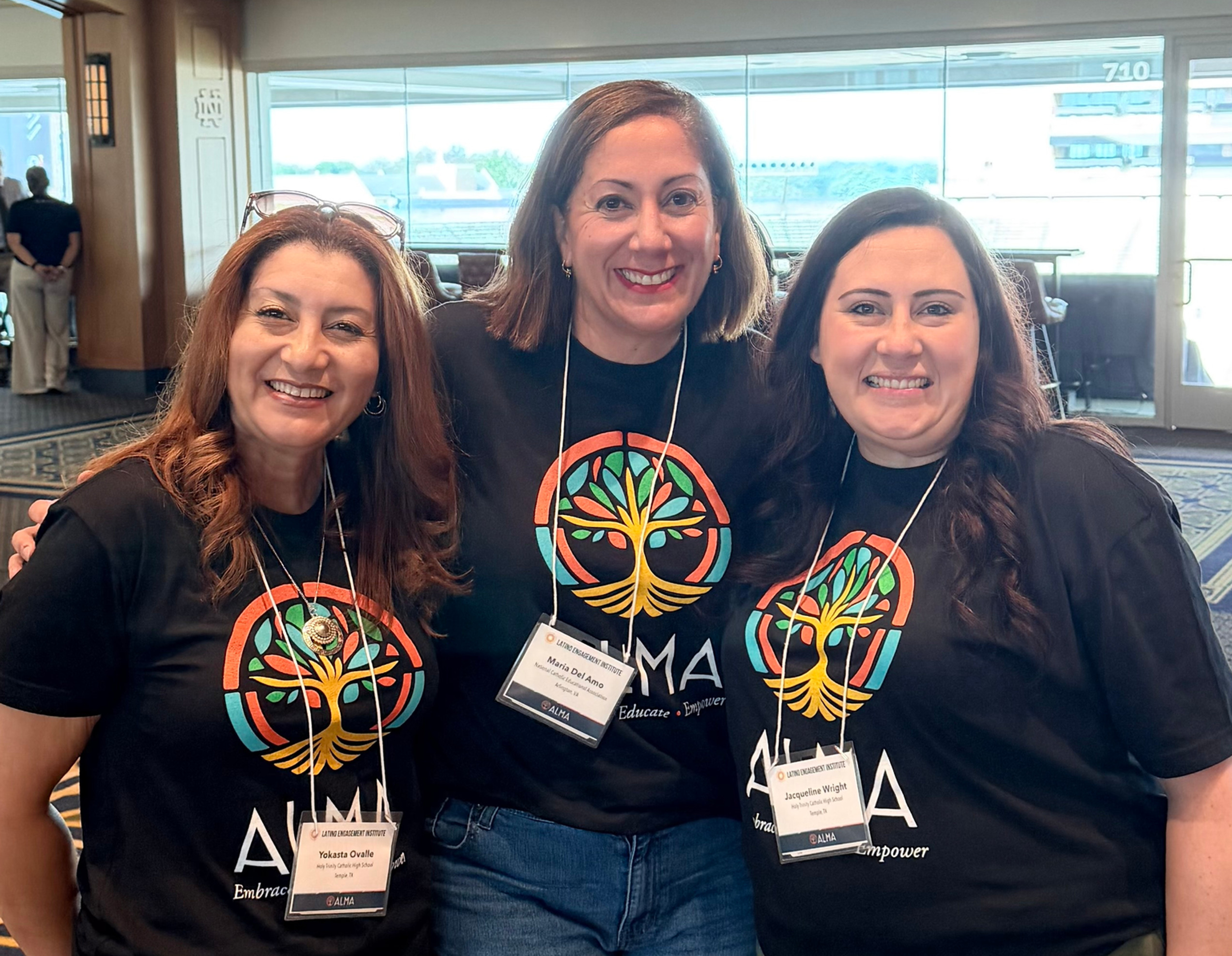
What really matters in convening is that listening generates some kind of action. I have done a lot of honest listening at the NCEA National Convention booth this year, leading to many informal, sincere conversations with teachers about their struggles and how we could help each other. Many of these casual yet genuine conversations generated results long after we parted ways. Some produced one-on-one work with specific schools. Others launched webinar ideas or blog posts where teachers shared their experiences and insights. While the greatest value of convening is hard to quantify, simply meeting others who share a similar passion is worth the effort.
Our Professional Learning Networks, as well as our Hispanic/Latino Engagement Advisory Council, consist of educators and community leaders who advise NCEA of emerging needs, share best practices, and inform future programs. Their input influences our webinar topics, professional development opportunities, family engagement resources, and bilingual materials used by Catholic schools across the nation, such as the Hispanic Heritage Month and Catholic Schools Week resources.
Using the same methodology, I will be leading a new Advancement & Development Professional Learning Network for Catholic school leaders this year. Participants will study fundraising strategies, grant writing, digital outreach/engagement, and how to build a culture of giving. In addition to exploring these fundraising areas, participants will analyze how values such as family, relationships, and confianza (trust) affect philanthropy within Hispanic and Latino communities. Just as advancing a school begins with fostering relationships, so does developing strong family engagement.
Building Bridges Together

While my focus has been on Hispanic and Latino communities, what we are learning here has implications far beyond any one community. When a school can communicate in the language spoken at home, listens before assuming anything about its families, and honors the cultural and faith traditions of its families, that school becomes a more inclusive place for everyone. The very actions that help a Spanish-speaking family feel seen help every family, regardless of background, feel welcome and included in the life of the school.
Catholic education is fundamentally relational. Catholic education not only provides quality educational opportunities for its students, but also promotes the recognition of every person’s inherent dignity and gifts. Convening is an important part of living out this mission. Convening reminds us that unique wisdom is found among all members of our community. Our schools become stronger because of these opportunities to engage, contribute, and lead.
When the Crimsonbridge Foundation supported NCEA's first Director of Hispanic and Latino Engagement, they demonstrated that significant change cannot occur without both practical tools and resources, and the relationships that enable those tools and resources to take root. With this funding, we have been able to facilitate connections among educators nationally; amplify voices too often absent from discussions related to Catholic education; and develop resources based on real-world experiences.
The ultimate bridge we build is not a resource or platform; it is a connection among people who are committed to our mission. Every time we gather Catholic educators together, we are reminding them: you are not alone; your experiences matter; and your community has much to give.


